Custom Orthotic Equipment & Materials Sourcing
Foot specialists and custom-insole labs ask us about scanners, fabrication equipment and materials. Share your workflow and we will review which equipment options and materials may fit, then confirm details for your project.
From Foot Capture to a Finished Custom Insole
A custom-insole workflow usually starts with capturing the foot, then shaping the insole by removing material or building it up. CNC milling and 3D printing are alternative routes, not steps you need both of.
Foot 3D Scanning
Digital capture of foot shape as the starting point for a custom design, replacing or complementing plaster casts and foam boxes.
- Which capture method suits your clinic
- What file output your design step needs
- How scans move to your fabrication route
CNC Milling
Shapes the insole by milling a solid material blank, a familiar route for labs that work with foam and EVA blanks.
- Which blank materials and sizes you plan to use
- Expected daily output and lab space
- Finishing and top-cover steps after milling
3D Printing
Builds the insole or shell layer by layer from a digital design, an alternative to milling for labs exploring printed structures.
- Which printed structures you want to produce
- Printing materials under consideration
- Post-processing and covering steps
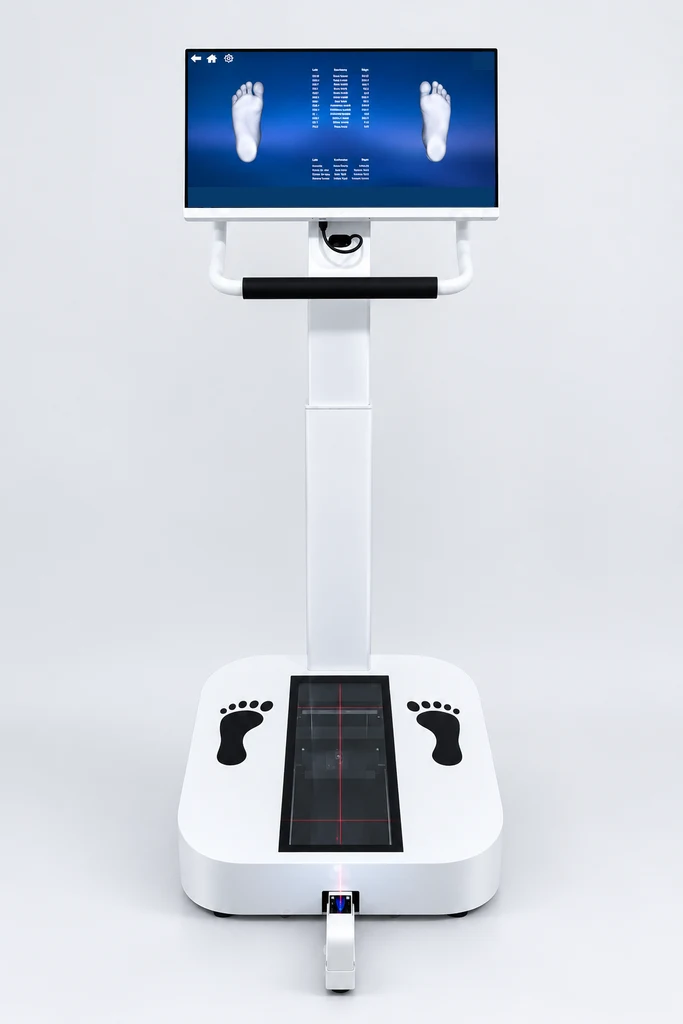
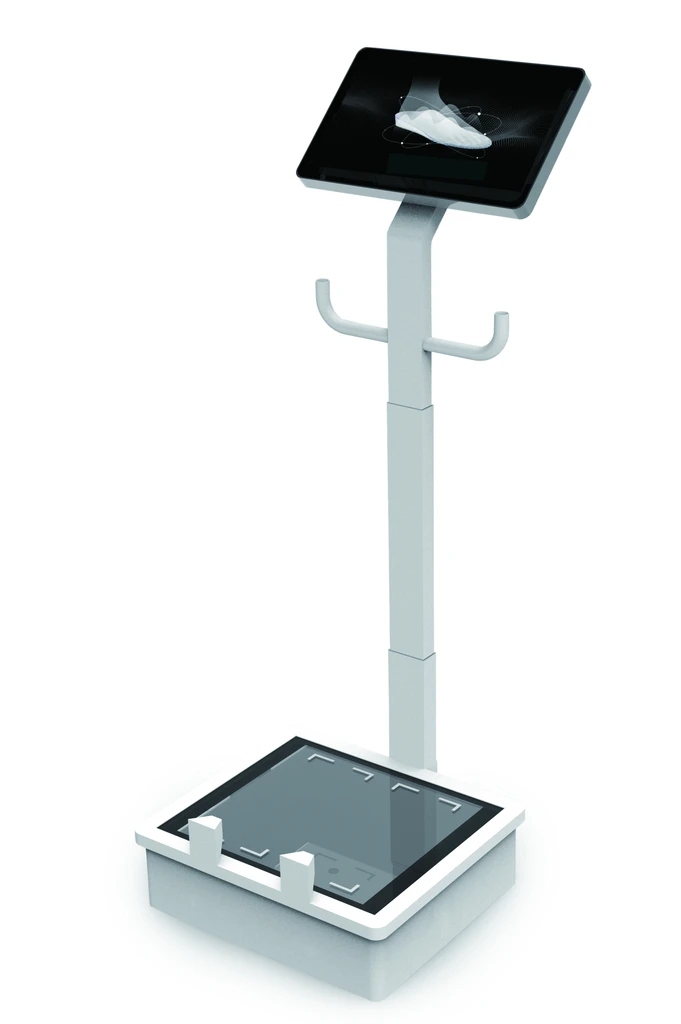
3D Plantar Scanner
A non-contact laser scanner that captures the plantar surface of the foot and exports 3D data for the custom-insole design step.
- Scanning method
- Non-contact laser
- Scan range (X × Y × Z)
- 300 × 170 × 50 mm
- Scan time
- 5–10 seconds per foot
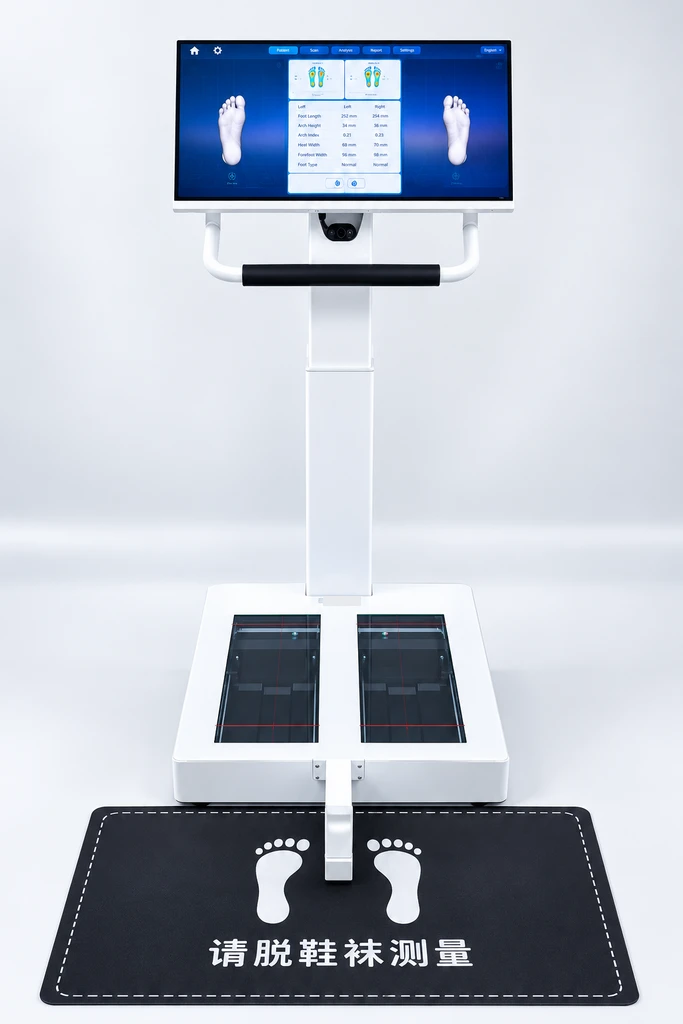
300 PRO — 3D Plantar Scanner
A non-contact laser scanner that captures the plantar surface of the foot and exports 3D data for the custom-insole design step.
- Scan range (X × Y × Z)
- 335 × 160 × 50 mm
- Scan time
- 3–10 s
- Output
- STL / OBJ / ASC
Insole Materials, Reviewed for Your Project
Material families we can discuss for custom-insole work. Availability, grades and suitability are reviewed for each project before any recommendation or quotation.
EVA and foam blanks
Base and shell materials for shaping custom insoles.
PU and cushioning foams
Comfort and shock-absorbing layers.
Top covers and fabrics
Surface layers for comfort and finishing.
Printing materials
Materials for 3D-printed routes, reviewed per process.
Clear Answers Before Any Commitment
Share your workflow
Tell us how you capture, design and produce custom insoles today, and what you want to change.
Project review
We review which equipment options and materials may fit your volume, space and route.
Confirmed details
Models, specifications and terms are confirmed in writing for your inquiry, not assumed from this page.
What this page does not claim
- Specific equipment details appear below; pricing and configuration are confirmed per inquiry.
- Software and device compatibility is not assumed and is checked per inquiry.
- Our factory quality-testing equipment display does not imply equipment availability for purchase.
- Medical suitability and regulatory requirements remain the responsibility of the clinician and local rules.
What Helps Us Review Your Inquiry
- Your role: clinic, custom-insole lab or brand
- Current capture and fabrication method
- Preferred route: scanning, CNC milling or 3D printing
- Approximate monthly volume of custom insoles
- Materials you use now or want to try
- Destination country for shipping