Lightweight, Low-Profile Padel Insole Development
Incoming OEM/ODM requirements brief
From Requirements to Sample Approval
Confirm the development inputs
Review the target shoe and original sockliner, player profile, size range, use conditions and fit problem. Agree priorities for weight, thickness and support, target cost, quantities, branding, packaging and market-specific compliance. EU sizing does not define one foot shape.
Compare candidate samples
Where useful, compare two support or cushioning configurations at the same size with controlled outline and similar thickness. Change selected variables, not everything at once. Agree measurement methods and acceptance criteria; two versions are a comparison option, not a promise to finish in two rounds.
Record feedback and decide on approval
Review lateral movement, heel containment during braking, arch pressure, forefoot flex, wet friction and durability in the target shoe–sock system. Record sample version, changes, reasons and unresolved issues before revision or approval. Plantar-pressure claims require suitable measurements; mark unperformed tests as planned.
This is a proposed review route, not completed testing or customer approval. REACH is a regulatory framework, not a universal product certificate. Antibacterial finishes and medical claims need their own evidence and applicable market review; a sports label does not establish medical-device status.
Challenge
Developing insoles for padel shoes around five priorities: low weight, a thin profile, abrasion resistance, upper-surface grip and sweat absorption. Repeated lateral movements, braking, pivots and forefoot push-off require evaluation inside the intended court shoe, not just a soft feel under static pressure.
Requirements & Questions
- Lightweight: record mass per pair at an agreed reference size; select the complete construction rather than judging foam density alone.
- Thin profile: confirm forefoot and heel thickness, available shoe volume, forefoot flex and heel seating against the original sockliner. No universal thickness is prescribed.
- Abrasion resistance: evaluate textile wear, texture retention, pilling and layer bonding after repeated rubbing, flexing and moisture exposure.
- Upper-surface grip: evaluate a low-profile wave-textured surface to reduce unwanted sock-to-insole movement during stops and turns. Test dry and sweat-exposed conditions without excessive local friction. This is not a guarantee against slipping, falling or injury.
- Sweat absorption: assess uptake and moisture transport together with drying time, wet grip and comfort. Sweat absorption, breathability and quick drying are different properties; none is established by a drawing.
- Lateral stability and torsional control: assess side-steps, abrupt changes of direction and wall-side retrievals on enclosed glass/metal-walled padel courts. A midfoot torsion plate or firmer support is a candidate only where shoe compatibility and movement tests justify it; an insole alone cannot provide whole-shoe lateral stability.
- Heel-cup containment: compare cup depth and stiffness to manage unwanted rearfoot side-to-side movement in the frontal plane during braking. Check heel seating, collar clearance and pressure points; deeper or harder is not automatically better. Reduced ankle inversion/eversion injury risk is not established.
- Forefoot load zoning: evaluate cushioning and pressure distribution beneath the metatarsal region during ready stances, split steps and push-off. Retain controlled lateral-forefoot support and propulsion feedback rather than excessive softness; keep the natural forefoot flex zone functional.
- Differentiated arch support: consider low-, medium- and high-arch profiles or secure interchangeable inserts following fit review. Select by individual foot shape and comfort, not nationality; one universal arch is not assumed. Inserts must not migrate or create pressure ridges.
- Grip and last compatibility: evaluate the upper textile and sock interface, plus underside migration. Match EU size grading to actual target-shoe lasts, widths and outlines; European sizes do not imply one foot shape. Taper and narrow edges where needed without losing support or causing curling.
- Cushioning and rebound balance: assess heel impact attenuation, midfoot support and forefoot response together. Multi-hardness EVA, PU, PORON or composite foams and zoned densities are candidates, subject to grade, sourcing and bonding checks; rebound is not interchangeable with impact protection.
- Moisture management and optional odor control: evaluate breathable, quick-drying textiles with sweat uptake and transport. Antibacterial/deodorizing finishes are optional and require efficacy, skin-contact, wash-durability and intended-market regulatory review, including applicable EU treated-article rules; no untested antimicrobial claim.
- Low-bulk construction: fit thickness to each shoe model, retain toe-box and heel volume, and feather forefoot edges where appropriate. Confirm pair weight, edge integrity, flex and support after thinning; there is no universal minimum thickness or guaranteed fit across all court shoes.
- Durability and compression verification: assess compression set, repeated-impact fatigue, abrasion and layer separation after flexing and perspiration conditioning. Select applicable footwear/material ISO methods with the laboratory for the actual construction; agree cycles, conditioning, limits and reporting. Referencing a method is not ISO certification or a passed test.
Materials & Structure
Candidate construction: a thin moisture-managing textile with a low-profile grip texture, lightweight cushioning and support where needed. EVA, PU or other suitable grades remain options, not confirmed selections. Texture geometry, support stiffness and layer interfaces require sample review; the private reference drawing is not reproduced. Neither carbon fiber nor heat molding is assumed to be required.
Prototype Progress & Validation
Proposed checks: pair weight by size; thickness and shoe fit; upper dry/wet friction with representative socks; underside migration; textile abrasion and grip-texture wear; sweat uptake, transport and drying; bonding, flex and compression durability. Wear trials should include lateral shuffles, starts, stops, pivots and actual padel play, recording pressure hot spots, sliding and comfort. The outsole and upper remain essential to whole-shoe traction and lateral stability. Additional acceptance records should compare heel containment, torsional response, forefoot pressure distribution and arch-option fit against the agreed reference shoe/sock system. Retain material grades, units, sample size, method edition, conditioning, load/cycles and results. Any claim of reduced injury risk, pressure reduction, antibacterial efficacy or improved performance needs evidence specific to the finished product; supplier data alone does not validate the complete insole.
Manufacturing Approach
Start with the target padel shoe and its removable sockliner. Confirm player profile, size range, court surface, target cost and the current fit problem. Compare a stability-focused sample with a balanced-comfort sample while controlling outline and fit. Agree numerical targets, measurement methods and acceptance criteria before production; no untested weight, friction coefficient or durability figures are promised.
Verifiable Record
This is an incoming development brief, not a finished or validated padel product. Final materials, dimensions and performance claims remain subject to sampling and testing. No customer identity, private correspondence, injury-prevention claim or completed production result is published.
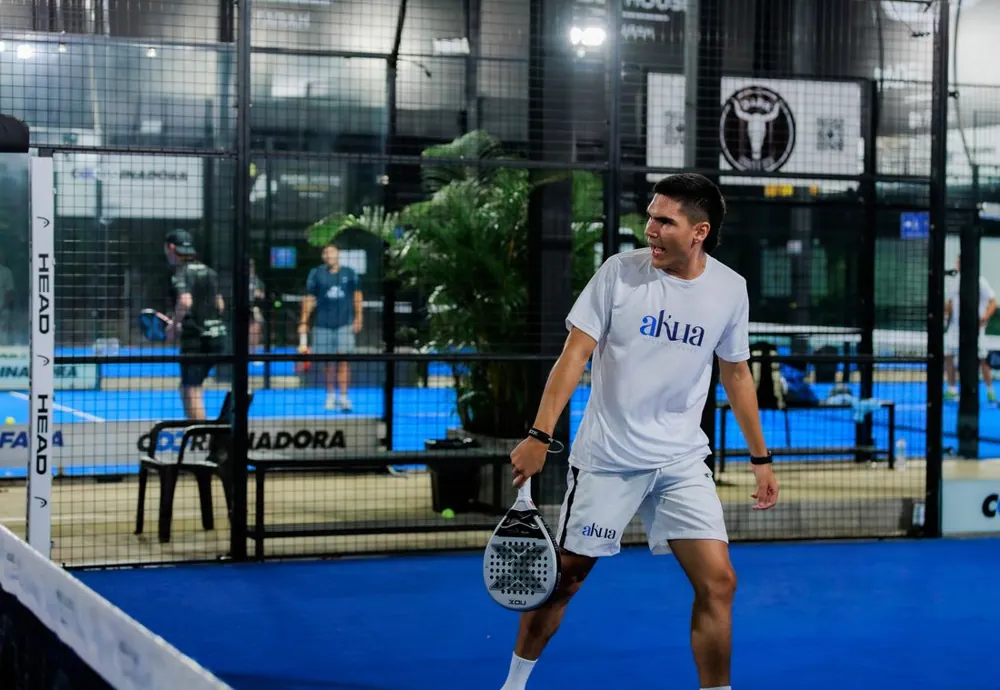
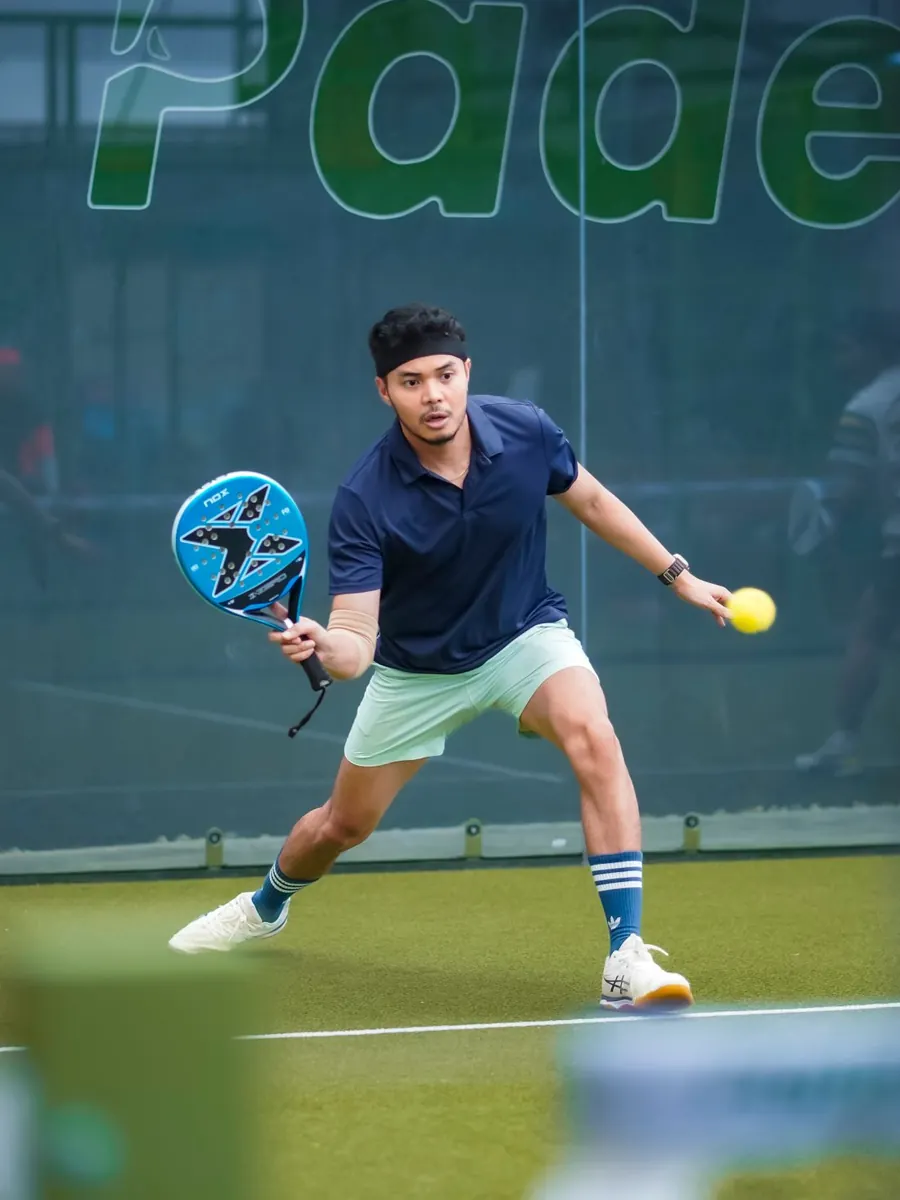
Padel application scenes